Understanding Antelope Valley Wind Patterns and Tree Risk
The Antelope Valley is known for its powerful, unpredictable winds that sweep across the region with little warning. If you live in Lancaster or the surrounding communities, you've likely experienced the force of these seasonal gusts that can exceed 40 miles per hour. What many homeowners don't realize is that these winds pose a serious threat to the trees on their property, and wind damage trees can result in costly property damage, injury, or worse.
Trees that haven't been properly maintained or that are structurally compromised are especially vulnerable to blow-downs during high wind events. A tree that appears healthy on the surface may have internal rot, weak branch attachments, or an unbalanced canopy that makes it unstable in strong winds. Understanding how Antelope Valley wind patterns interact with tree biology is the first step toward protecting your landscape and your home. Lancaster Tree Service has spent years helping homeowners in Lancaster recognize and mitigate these risks before disaster strikes.
Signs Your Trees Are at Risk of Wind Damage
Before the next windstorm arrives, take time to inspect your trees for warning signs of instability. One of the most obvious indicators is dead or dying branches, which are significantly more brittle and prone to snapping in wind. Look for branches that lack leaves, show signs of disease, or have bark that is peeling or cracked. These dead limbs don't just pose a hazard during storms; they can fall at any time, endangering your family, vehicles, or property.
Another critical warning sign is a tree that is leaning noticeably to one side or that has a thick canopy on one side and sparse growth on the other. An unbalanced canopy creates uneven weight distribution, which makes the tree more susceptible to toppling when wind pressure increases. Additionally, trees with multiple trunks or those that have been topped (had their main leader cut off) are structurally weaker and more likely to fail. If you notice any of these conditions, professional Tree Trimming & Pruning can help restore balance and reduce risk. Trees with shallow root systems, such as some species of pines and willows, are also naturally more prone to uprooting in high winds, particularly if the soil is wet or poorly draining.
The Role of Professional Tree Trimming in Wind Prevention
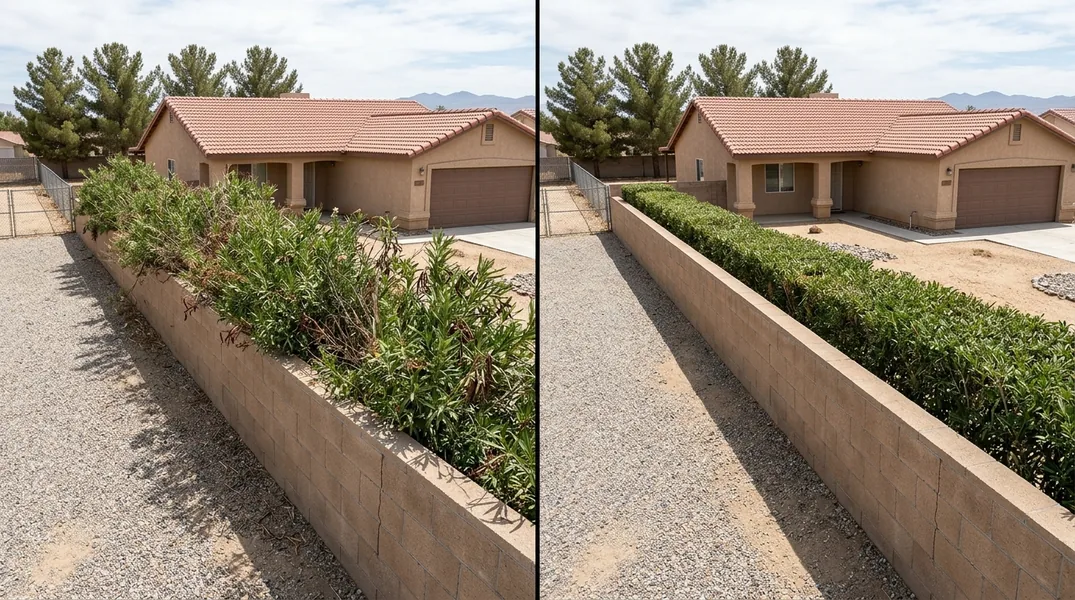
Tree Trimming & Pruning is one of the most effective preventive measures you can take to reduce wind damage risk. Strategic pruning removes dead wood, improves canopy balance, and reduces the overall wind load on the tree's structure. When an experienced arborist prunes your trees, they remove crossing branches, thin out dense areas, and ensure that the canopy is distributed evenly around the trunk. This work allows wind to flow through the tree more easily rather than catching the entire canopy like a sail.
Proper pruning also improves the tree's overall health by removing diseased or pest-infested wood and promoting new growth. A healthier tree is a stronger tree, with better branch attachment angles and more resilient wood. The key is to hire professionals who understand proper pruning techniques, not just anyone with a chainsaw. Improper pruning can actually weaken a tree or create wounds that invite disease and decay. Lancaster Tree Service uses science-based pruning methods to enhance tree stability while maintaining the natural shape and beauty of your landscape. Regular maintenance pruning, performed every two to three years, keeps trees in peak condition and significantly reduces the likelihood of wind-related failures.
When Tree Removal Is the Best Option
Sometimes, prevention isn't enough. A tree that is severely diseased, structurally unsound, or already partially uprooted may need to be removed entirely to protect your property and family. Tree Removal is a difficult decision for many homeowners who have emotional or aesthetic attachments to their trees, but it's sometimes the safest choice. If an arborist determines that a tree cannot be safely stabilized through pruning or other interventions, removal prevents catastrophic failure during the next windstorm.
Storm damage tree removal in Lancaster is particularly common after high wind events, when trees that were already weakened finally succumb to the pressure. Rather than waiting for a windstorm to damage your tree and your home, a proactive approach involves having a professional evaluate at-risk trees before the season arrives. Removing a hazardous tree before it fails is far less expensive and disruptive than dealing with emergency removal after it has fallen on your roof, fence, or vehicle. Once a tree is removed, you may also want to consider Stump Grinding to eliminate the remaining root system and restore your yard to its full usable space.
Emergency Tree Service Near Me: What to Do After a Blow-Down
Despite your best efforts to prevent wind damage, sometimes trees still fail during severe storms. If a tree falls on your home, vehicle, or blocks access to your property, you need Emergency Tree Service immediately. Lancaster Tree Service responds quickly to storm damage situations, providing rapid assessment and safe removal of fallen trees. Emergency situations are dangerous; downed trees may be tangled in power lines, leaning against structures, or unstable and prone to shifting. Never attempt to remove a fallen tree yourself or with untrained friends and family.
When you contact Lancaster Tree Service at (661) 466-4378 during or after a windstorm, our team will prioritize your call and dispatch experienced professionals to assess the damage. We have the equipment, training, and insurance to handle complex removal situations safely and efficiently. We'll also help you document the damage for insurance purposes and discuss your options for cleanup and restoration. The faster you address a downed tree, the lower your risk of additional damage and the sooner your property can return to normal.
Creating a Wind-Resistant Landscape: Your Long-Term Strategy
Protecting your home from wind damage isn't a one-time project; it's an ongoing commitment to landscape maintenance and strategic planning. Beyond pruning and removal, consider the composition of your landscape. Planting a variety of tree species with different root depths and wind resistance characteristics creates a more resilient yard. Avoid planting large trees too close to your home or in areas where they could damage structures if they fall. Position trees to provide windbreaks for your home rather than allowing them to catch the full force of Antelope Valley winds.
Regular inspections, typically annual or after major weather events, help you catch problems early before they become emergencies. A professional arborist can identify hazards that an untrained eye might miss and recommend corrective actions. By investing in preventive care now, you'll save money on emergency removals and repairs later. Contact Lancaster Tree Service today for a free estimate and wind-risk assessment of your property. Our team will develop a customized plan to keep your trees healthy, stable, and safe through whatever the Antelope Valley weather brings. Call (661) 466-4378 to schedule your consultation and take the first step toward protecting your Lancaster home.
Looking for a professional tree service contractor in Lancaster? Lancaster Tree Service responds fast for all your tree service needs.
Get a Free QuoteOur services: Tree Removal · Tree Trimming & Pruning · Stump Grinding